

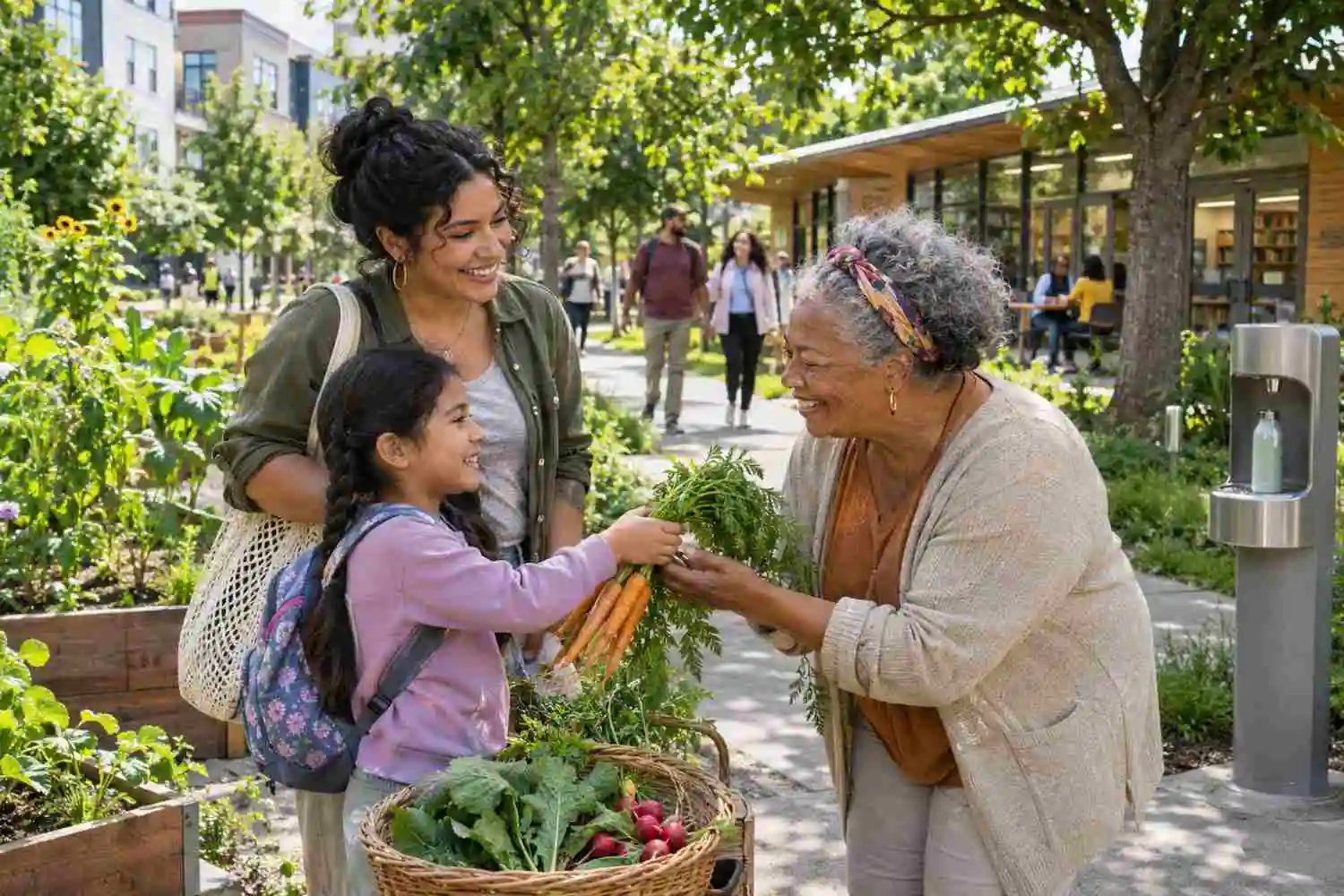
Building a healthier future requires more than access to doctors, hospitals, and medical treatments. While healthcare services play an essential role in preventing and treating illnesses, many other factors influence people’s overall well-being. Education, clean drinking water, mental health resources, and supportive communities all contribute to healthier individuals and stronger populations. Addressing these areas can help prevent health concerns before they develop and improve quality of life across different stages of life. In this article, we’ll explore why a healthier future depends on more than medical care and how communities can support long-term well-being.
Recognizing the Importance of Early Education
Education is an important part of building healthier communities because it helps individuals develop knowledge and skills that influence their future opportunities. Early childhood education, in particular, provides children with opportunities to develop social, emotional, and cognitive skills. These experiences can help establish a foundation for lifelong learning and encourage healthy habits as children grow.
Access to preschool can also depend on household circumstances and parental employment. According to USAFacts.org, in two-parent families, 57.1% of kids aged three and four went to preschool when both parents were employed. Making early education more accessible can help children receive valuable developmental support while giving parents greater flexibility to manage their professional and family responsibilities.
Protecting Public Health Through Clean Water
Access to clean drinking water is another essential part of maintaining public health. Although medical care can treat many illnesses, preventing exposure to harmful contaminants is equally important. Communities need reliable water systems, appropriate sanitation practices, and consistent monitoring to protect residents from preventable health concerns.
Contaminated drinking water can expose people to harmful microorganisms, including bacteria, viruses, and parasites. According to the CDC, over 1.1 million people in America get sick annually because of germs in drinking water. This demonstrates why maintaining safe water supplies should remain a public health priority. Investments in water infrastructure, regular testing, and effective treatment systems can help reduce contamination risks and protect communities.
Making Mental Health a Community Priority
A healthier future also depends on recognizing mental health as an important part of overall well-being. Stress, anxiety, depression, and other mental health conditions can affect relationships, education, employment, and everyday activities. However, people may experience barriers to receiving appropriate support, including financial limitations, limited provider availability, and social stigma.
According to Mental Health America, nearly 60 million Americans experienced a mental illness in 2024. This highlights the importance of making mental health resources more accessible and encouraging conversations about emotional well-being. Schools, workplaces, healthcare providers, and community organizations can all contribute by offering supportive environments and helping individuals connect with appropriate resources.
Addressing the Conditions That Shape Health
Health is influenced by many circumstances outside a medical setting. Housing quality, access to nutritious food, neighborhood safety, employment opportunities, and environmental conditions can all affect how people feel and function. Individuals living in communities with limited resources may face additional challenges when trying to maintain healthy lifestyles.
Addressing these conditions requires cooperation between different organizations and community leaders. For example, improving access to recreational spaces can encourage physical activity, while food assistance programs can help households obtain nutritious meals. Community education initiatives can also provide practical information about preventive care, nutrition, hygiene, and healthy daily habits.
Encouraging Prevention and Long-Term Wellness
Preventive health practices help individuals take an active role in maintaining their well-being. Routine screenings, vaccinations, health education, and regular physical activity can help reduce certain health risks and identify potential concerns earlier. However, these efforts are most effective when people have access to the resources and information needed to make informed decisions.
Communities can support prevention by creating programs that reach people of different ages, backgrounds, and income levels. Collaboration between schools, public health departments, local organizations, and medical professionals can help address gaps in available services. By focusing on prevention alongside treatment, communities can work toward more sustainable improvements in public health.
A healthier future requires a broad approach that extends beyond traditional medical care. Early education, clean drinking water, mental health support, safe living conditions, and preventive health initiatives all contribute to individual and community well-being. When these areas receive consistent attention, people have more opportunities to maintain healthy lives and overcome barriers that affect their quality of life. Investing in these essential resources today can help create healthier, stronger communities for future generations.